Space
Edge AI acceleration for space systems. SAKURA-II enables autonomous lunar navigation, on-orbit image analysis, and predictive spacecraft maintenance with reliable, radiation-tested performance.

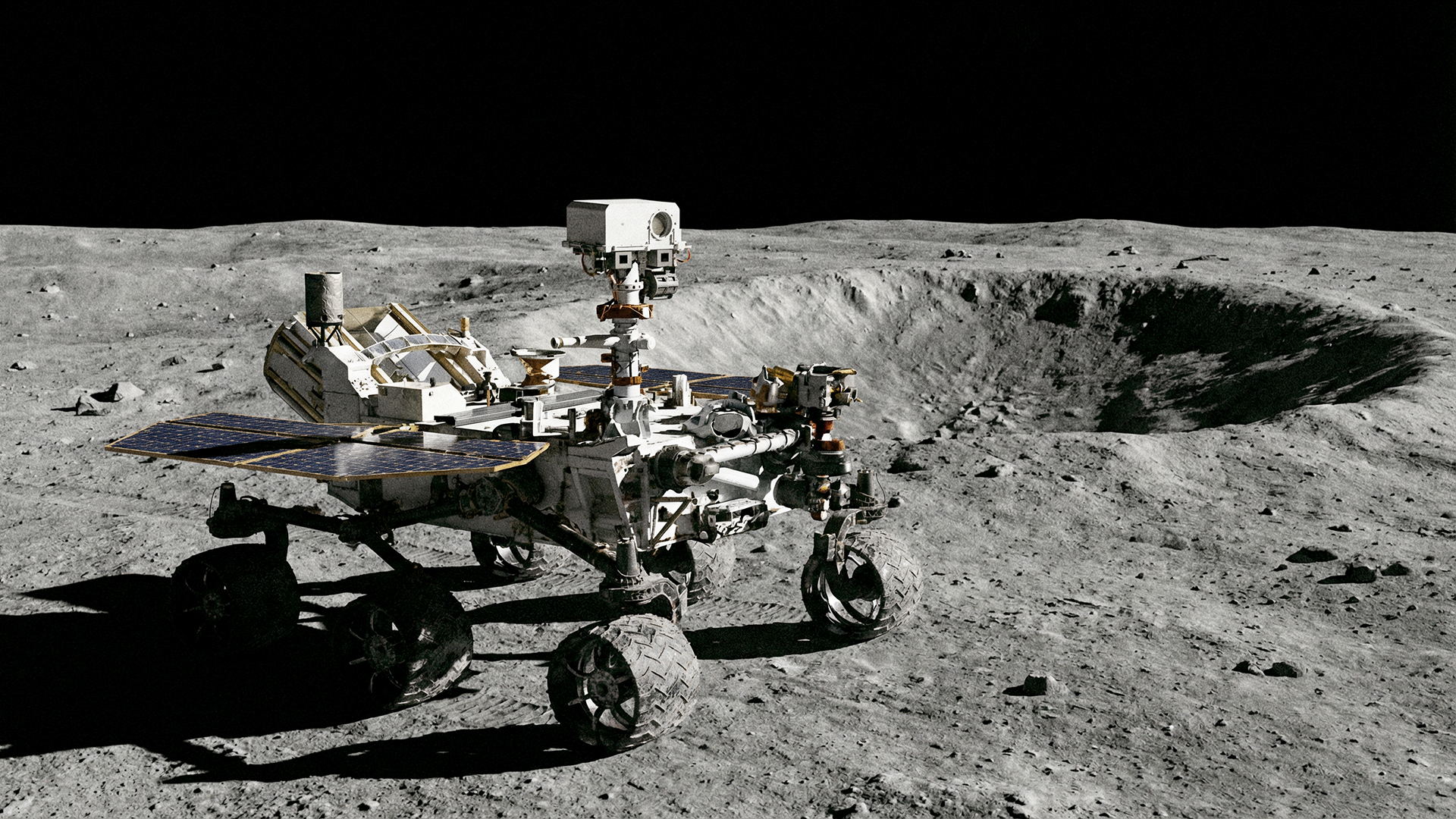
Autonomous Lunar Rover Navigation
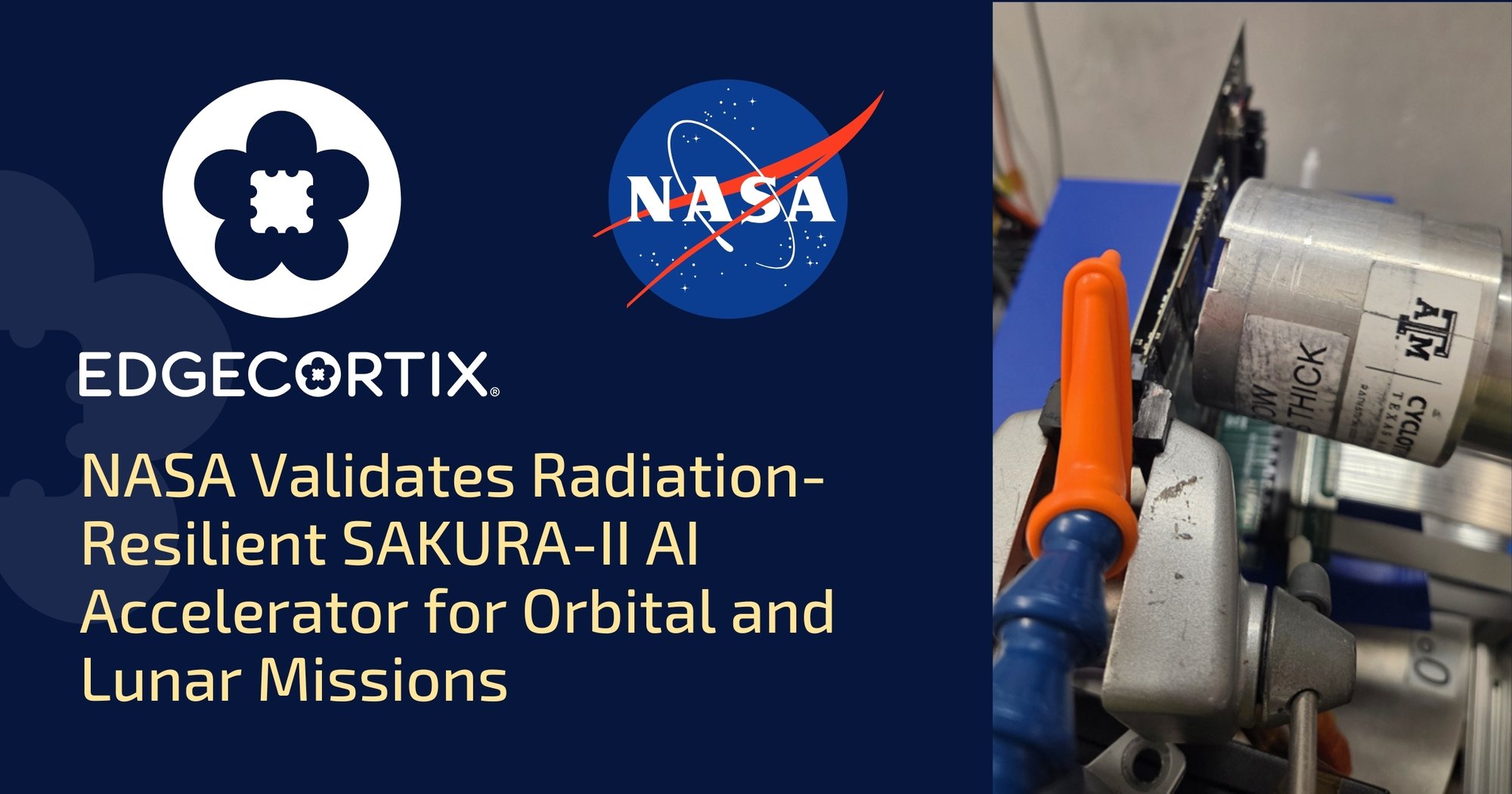
Lunar missions face significant communication delays, making remote control impractical. Terrain is unstructured and unpredictable, with hazards that cannot be pre-mapped. SAKURA-II runs terrain analysis and hazard detection locally, allowing it to assess slopes and obstacles autonomously. Navigation decisions are made instantly, and the system is hardened for extreme environments, having passed NASA proton and heavy-ion testing with zero destructive failures.

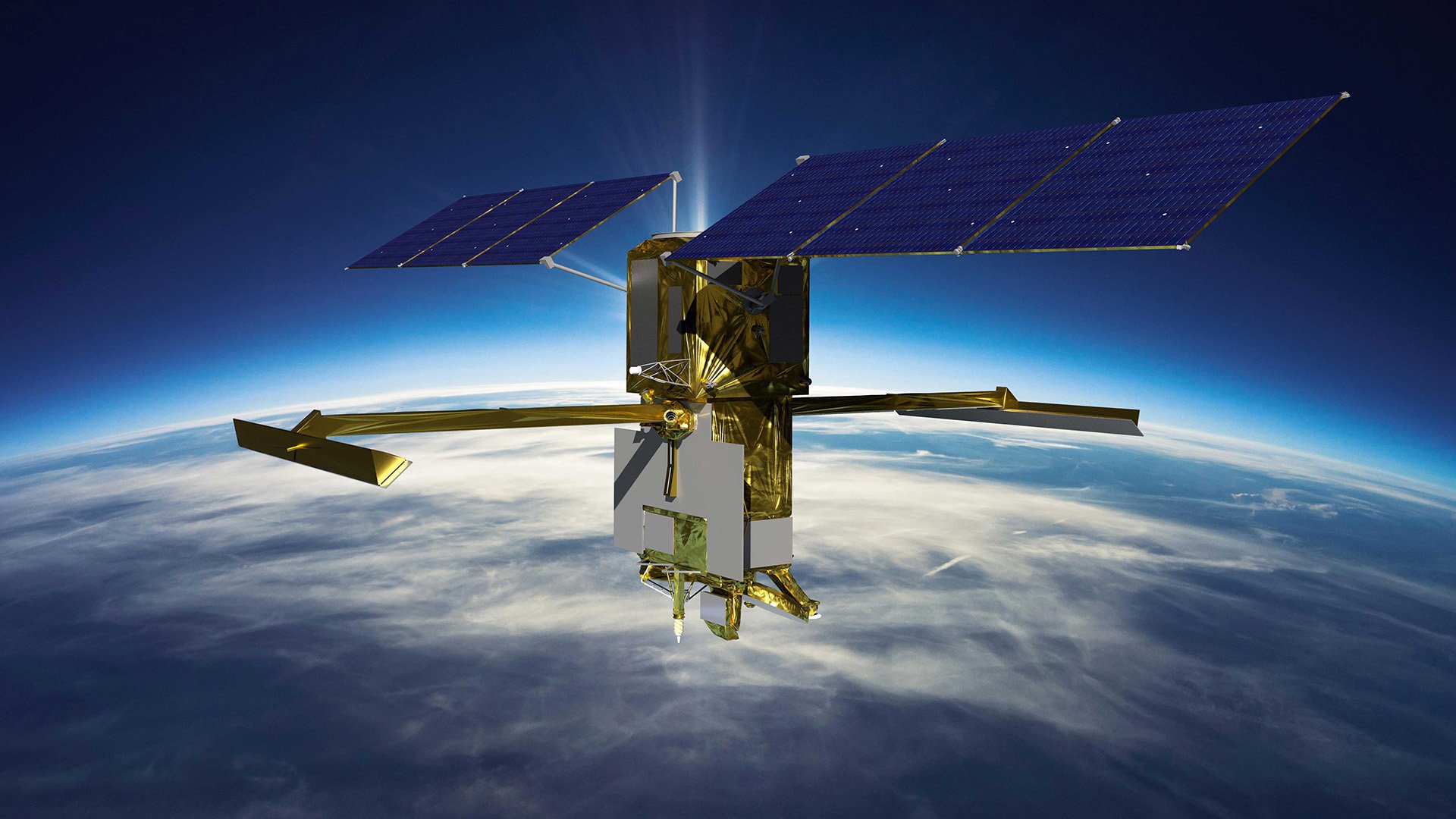
On-Orbit Image Analysis
Earth observation satellites capture vast volumes of imagery, but downlink bottlenecks limit the data that reaches the ground. Transmitting everything is inefficient, and waiting for post-processing delays time-sensitive insights. SAKURA-II processes imagery directly on-orbit, identifying changes and anomalies as they are captured. Only high-priority frames are transmitted, turning raw data into immediate intelligence before it ever leaves orbit.


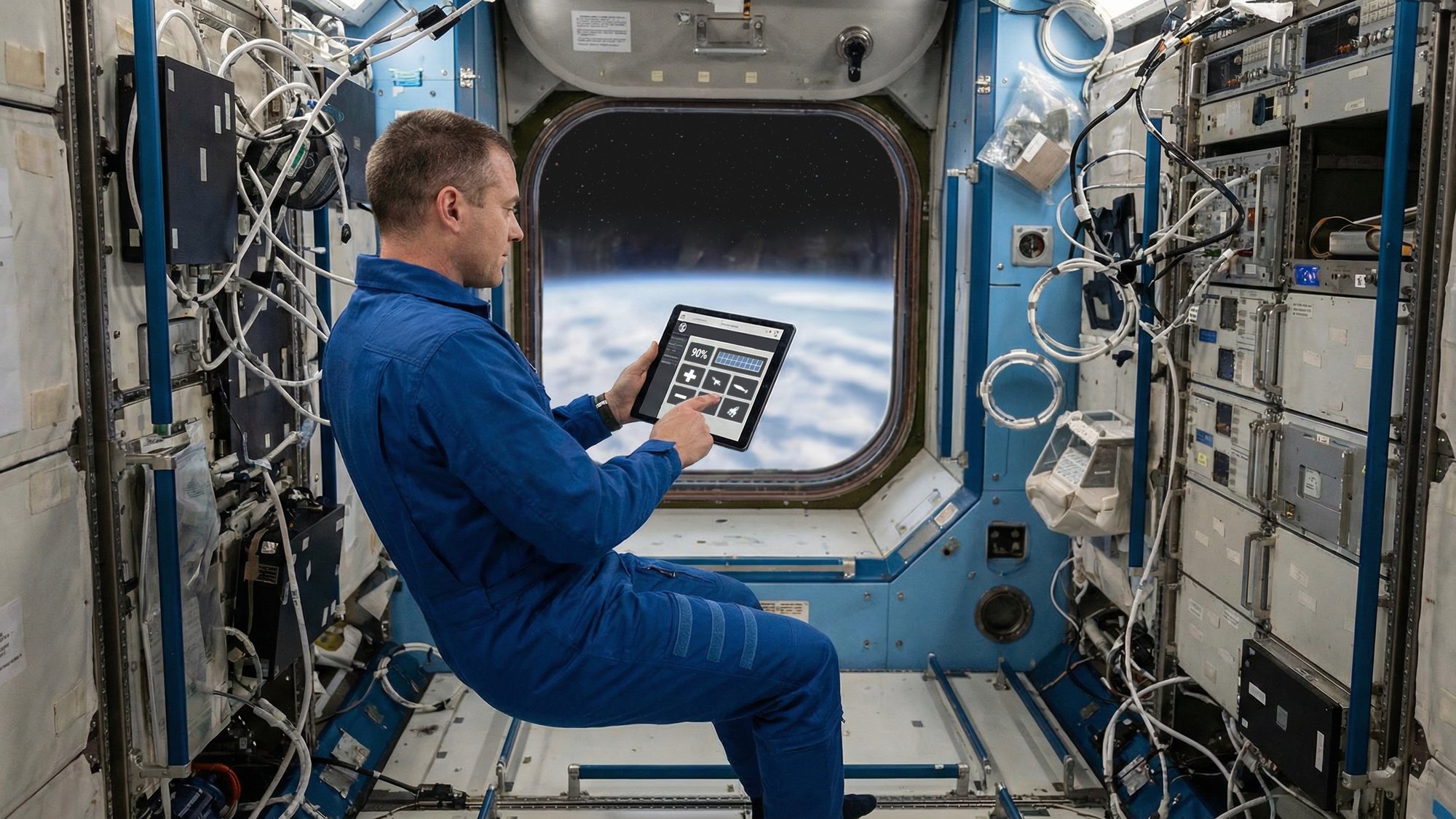
Predictive Maintenance for Space Systems
Space systems must operate for years without physical access, where minor faults can spiral into mission-ending failures. SAKURA-II continuously analyzes onboard telemetry, detecting subtle anomalies that indicate early-stage faults. Potential failures are identified while systems are still healthy, allowing corrective action to be taken before mission integrity is compromised.